
Begin with the Character, Not the Plot
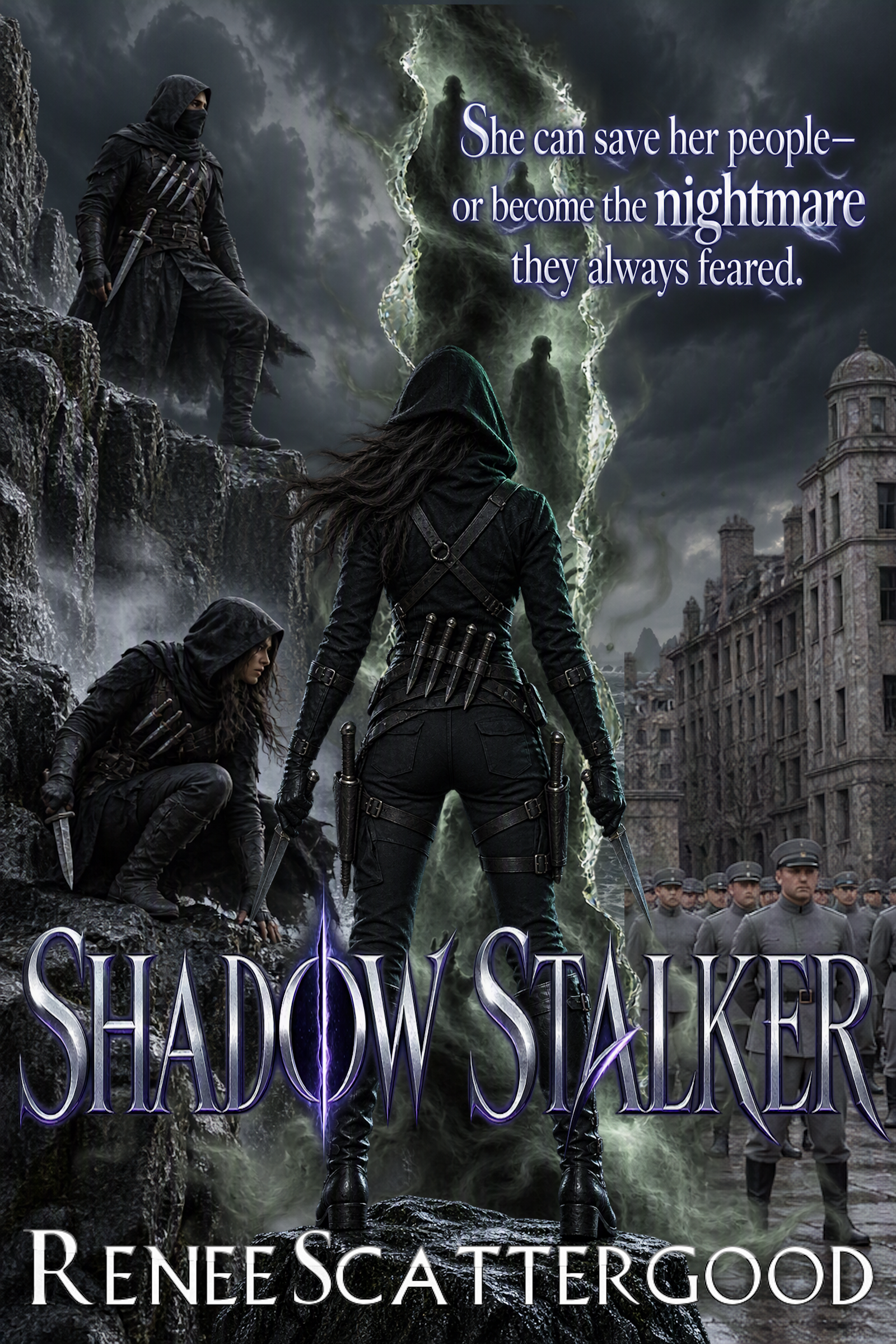
I start each story with a character, though that character isn’t always the protagonist. When I came up with the idea for Shadow Stalker, Kado appeared first—literally in a dream—and I immediately realised he wouldn’t be the main character. Starting with a character helps me build a story that develops around the people in it.
Find the Character’s Inner Core
To understand the character’s goals, I figure out what defines them. I ask myself questions like:
- What influences their behaviour?
- What experiences may govern their choices?
- What false beliefs do they hold about themselves or the world?
- What should they understand or modify about themselves to grow?
Separate Want from Need
I need to identify how the character’s goal drives the visible story, while their unrecognised need drives the emotional arc. For instance:
- What do they believe will solve their problem?
- What do they need to understand, embrace, or abandon?
- How can pursuing their want move them further from their need?
Turn the Inner Conflict into Dark Fantasy
Once I understand a character’s inner conflict, I look for ways to make it tangible. In dark fantasy, fear, guilt, desire, and self-deception can take supernatural form. The magic, monster, or curse must do more than complicate the plot; it should force the character to confront the truth they have avoided.
- A curse that embodies a false belief.
- A forbidden power that rewards their worst impulse.
- A monstrous inheritance they cannot escape.
- A bargain that grants their desire at an unbearable cost.
Decide What They Stand to Lose
When I figure out what threatens the character from within, I can decide what the conflict might cost them. The strongest stakes are personal long before they become epic. A kingdom may fall, or a war may begin, but the danger matters most when it threatens something the character cannot replace:
- A relationship
- Their identity, freedom, home, faith, or humanity
- The opportunity to correct a past failure
- The moral boundary that separates them from the monster
Design Opposition That Targets the Character
I create an antagonist or opposition that targets my character’s vulnerability once I see what they stand to lose. An interesting antagonist does more than block the protagonist’s path: they understand what the protagonist wants, exploit what they fear, and tempt them into choices that deepen their inner conflict. I ask questions such as;
- What does the antagonist understand about the protagonist?
- How might they offer the protagonist what they want?
- What shared quality makes them unsettling reflections of one another?
- Which choice can the antagonist force the protagonist to confront?
Map the Character Arc
I can trace how the story changes the character through their desire, inner conflict, stakes, and opposition. I see the arc as a progression of pressure and choice, where each challenge removes a comforting belief until the character must face the truth or be consumed by denial. I map that transformation through four stages:
- Opening state: Who the character believes they are.
- Mounting pressure: How events test that identity and expose the false belief.
- Breaking point: The truth they can no longer avoid.
- Final choice: The decision that proves who they have become.
Let Decisions Generate the Plot
Once I know how the character must change, I can shape the plot. I let their decisions create the story rather than inventing a series of events and forcing the character through them. Each choice instinctively follows from what they want, what they fear, and what they still misunderstand—and each consequence makes the next choice harder. The progression often looks something like this:
- An inciting incident disrupts the character’s existing life.
- Their first major choice commits them to the story.
- Each attempt to gain what they want creates a worse consequence for them.
- A revelation destroys their original understanding of the conflict.
- An irreversible decision carries them into the climax.
- The climax tests whether their transformation is genuine.
Discover the World Through the Character
The character gives me a way to enter the world. Instead of explaining every kingdom, custom, or rule of magic at once, I reveal the details that shape what the character believes and limit what they can do. This keeps the worldbuilding connected to the story rather than pausing it, so I consider questions such as;
- What part of the world shaped the character’s beliefs?
- Which social rule restricts what they can do?
- What does magic demand from them?
- Which piece of history changes the meaning of their struggle?
Build the Supporting Cast Around the Arc
Once the central arc is clear, I shape the supporting cast around it. Each key character should reveal another side of the protagonist, challenge a specific belief, or make the cost of failure feel more personal. They should have desires and conflicts of their own, while their relationship with the protagonist serves a distinct dramatic purpose:
- Ally: Supports the person the protagonist could become.
- Tempter: Encourages the easiest or the darkest path.
- Witness: Sees through the protagonist’s self-deception.
- Dependent: Makes the consequences of failure personal.
End with a Practical Planning Exercise
I bring everything together in one simple exercise when I am ready to turn the idea into a workable novel plan. I do not need every scene or detail yet; I only need enough to see how the character’s inner struggle can drive the story’s major turns:
- Write a one-paragraph character portrait.
- State the character’s want, need, wound, fear, and false belief.
- Choose one dark fantasy element that externalises the inner conflict.
- List five decisions that become harder over time.
- Write the consequences of each decision.
- Arrange those decisions as the novel’s major turning points.
- Define the ultimate choice that completes—or destroys—the character’s arc.
Let the Character Lead the Story
For me, a story begins here—not with a map, a magic system, or even a plot twist, but with a person carrying something they cannot ignore forever. The plot is not what happens to the protagonist. It grows from what they desire, fear, conceal, and choose in the end. When I understand that, the dark fantasy elements hold meaning, the world seems emotionally rich, and the story moves toward something significant.
Leave a Reply